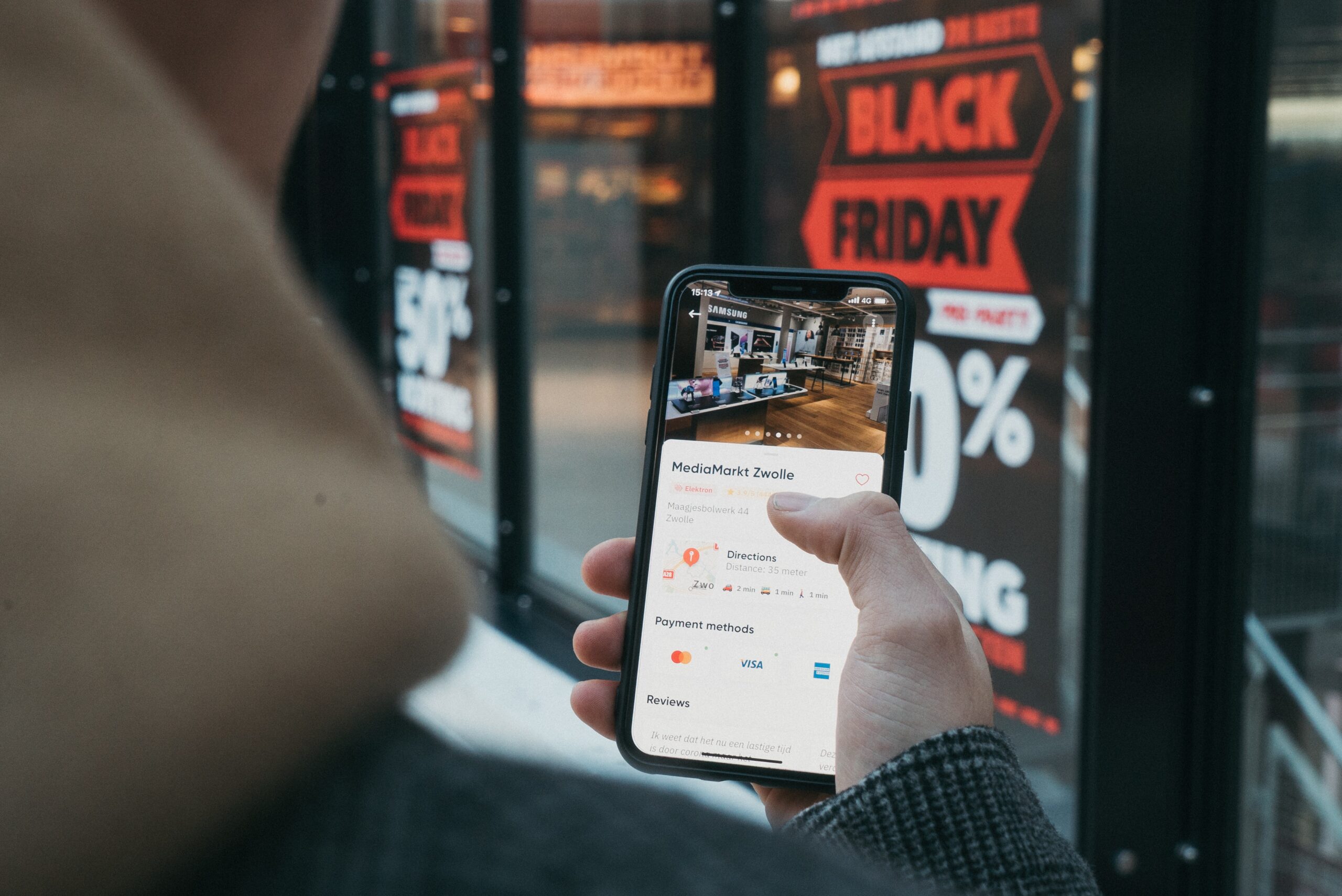
Black Friday has become one of the biggest shopping events of the year in the United States, kicking off the holiday season with massive discounts, doorbuster deals, and record-breaking sales. But Black Friday didn’t always look like the bustling, multi-day online-and-offline extravaganza we know today. Its history reflects changes in American culture, retail strategy, and consumer behavior over the decades.
The Origins of “Black Friday”
The term “Black Friday” first appeared in the 1960s in Philadelphia, when police officers used it to describe the chaotic traffic and overcrowded streets as shoppers flooded downtown the day after Thanksgiving. While the phrase originally had a negative tone, retailers quickly reframed it. They began promoting the day as when businesses went from being “in the red” (unprofitable) to “in the black” (profitable), thanks to a surge in holiday sales.
From In-Store Frenzy to Doorbusters
By the 1980s and 1990s, Black Friday was firmly established as the unofficial start of holiday shopping season. Major retailers leaned into the hype by advertising “doorbuster” deals—heavily discounted items available in limited quantities to draw crowds. Images of long lines forming outside stores in the early hours of the morning became a hallmark of the day, with some shoppers even camping overnight to secure their spot.
The Expansion of Store Hours
The 2000s brought an arms race among retailers competing for shopper attention. Stores began opening earlier and earlier, shifting from 6 a.m. openings to midnight, and eventually to Thanksgiving evening. While this move attracted bargain hunters, it also sparked controversy over workers being asked to leave their families on the holiday itself.
The Rise of Cyber Monday
As online shopping gained traction, retailers realized they could extend the Black Friday rush digitally. In 2005, “Cyber Monday” was coined as the online counterpart to Black Friday, offering discounts tailored to digital shoppers. This innovation not only transformed the way people shopped but also spread out the frenzy across multiple days, easing pressure on in-store shopping.
From One Day to a Season of Deals
Today, Black Friday is no longer just a single day. Retailers roll out “Black Friday week” or even month-long promotions starting in early November. E-commerce giants like Amazon have pushed the trend further with “early access” deals, while brick-and-mortar stores blend online and in-person promotions. For many consumers, the holiday shopping season begins the moment Halloween ends.
Black Friday in the Digital Era
In the 2020s, the pandemic accelerated a shift toward online shopping, making digital deals more central than ever. Mobile apps, personalized promotions, and buy-online-pickup-in-store options have reshaped the Black Friday experience. Social media also plays a role, with influencers and deal-sharing communities driving awareness of the hottest discounts.
Looking Ahead
Black Friday continues to evolve, balancing the tradition of in-store excitement with the convenience of online shopping. With inflation, changing consumer habits, and the rise of new technologies like AI-driven recommendations, the future of Black Friday may look different yet again. What won’t change is its role as a cultural and commercial marker of the holiday season in the U.S.
Comments are closed